
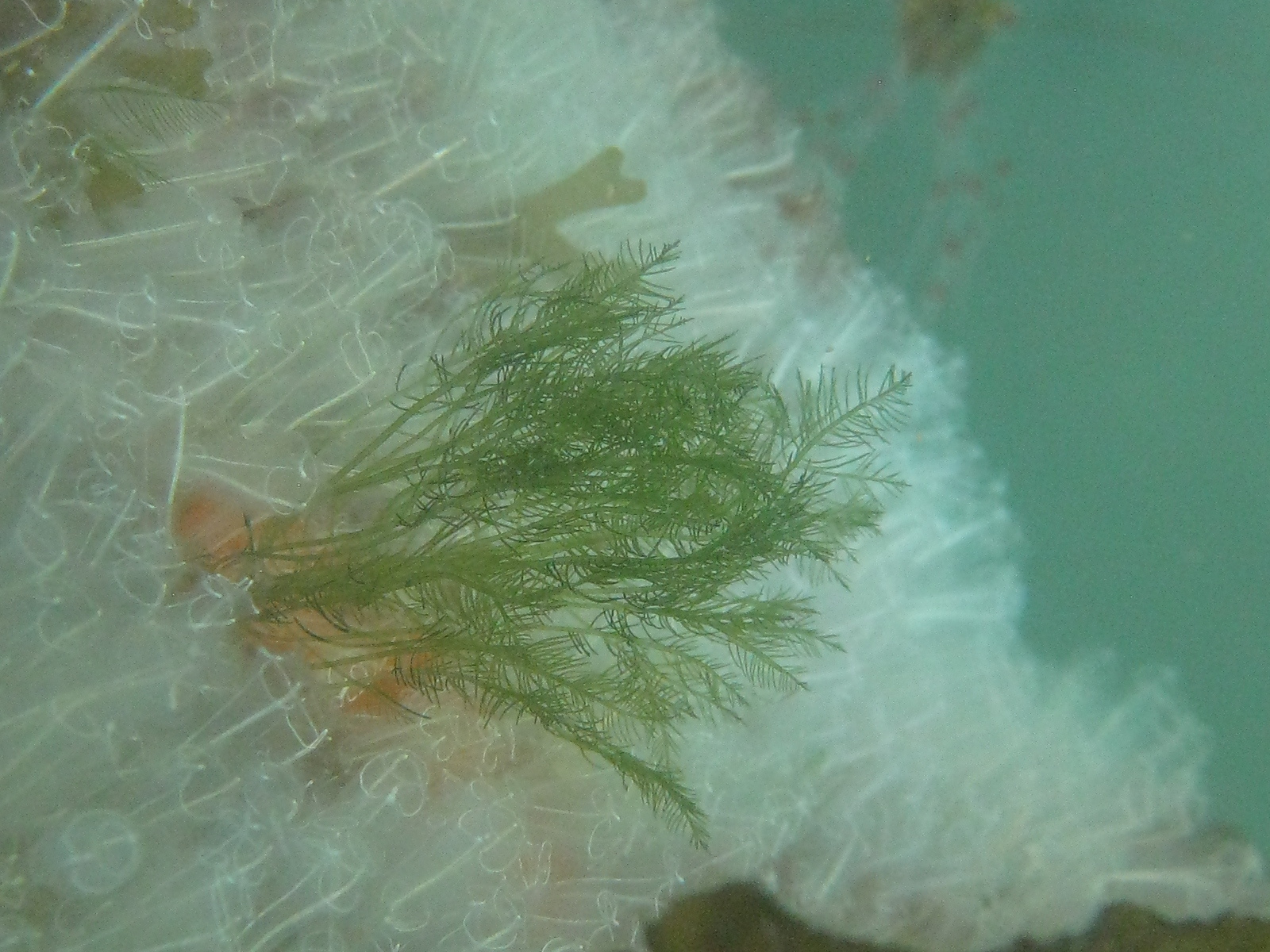
| What They Are | Accumulated dissolved nutrients |
| Nitrate Target | Roughly 5–10 ppm (not zero) |
| Phosphate Target | ~0.03–0.1 ppm |
| Main Symptom | Algae, cyano, dull corals |
| Best Fixes | Export: skimming, water changes, media |
Overview
Nitrate and phosphate are the end products of feeding and fish waste. A little of each is normal and even necessary — corals need some nutrients — but when they climb, you get nuisance algae, cyanobacteria, and browned-out corals. Lowering them is about export: physically removing nutrients faster than they accumulate. Note the targets are low, not zero; bottoming them out invites dinoflagellates.
How to Lower Them
- Water changes — the simplest export: fresh saltwater dilutes both. Regular, consistent changes prevent buildup in the first place.
- Protein skimming — a good skimmer pulls organics out before they break down into nitrate and phosphate.
- Feed less, and better — overfeeding is the number-one source; feed what fish eat in a minute or two and remove excess.
- Phosphate media (GFO) — granular ferric oxide in a reactor pulls phosphate down directly.
- Carbon dosing / refugium — vodka/vinegar dosing or a chaeto refugium grows something that consumes nitrate and phosphate, which you then export.
Do It Gradually
Bring nutrients down slowly. Corals acclimated to high nutrients can bleach if you strip the water too fast, and crashing phosphate overnight is a classic trigger for dinos and cyano. Aim to reduce over weeks, not hours, and let corals adjust.
Common Mistakes
Aiming for zero: ultra-low-nutrient tanks look great until they crash into dinos — keep a little nitrate and phosphate. Only adding media without cutting feeding: you’re bailing while the tap runs. Ignoring source water: tap or exhausted RODI adds the very phosphate you’re fighting — see our RODI guide.
Related Guides
How to Beat Hair Algae (Green Hair Algae) · How to Get Rid of Red Slime (Cyanobacteria) · Emerald Crab
Frequently Asked Questions
What causes high nitrates and phosphates?
Overfeeding, overstocking and infrequent water changes. Both are the end products of fish waste and uneaten food building up faster than the tank exports them.
How do I lower them?
Water changes, less feeding, a protein skimmer, macroalgae in a refugium, and media such as GFO for phosphate or carbon dosing for nitrate. Bring them down gradually rather than all at once.
Can nitrates and phosphates be too low?
Yes. Bottomed-out nutrients cause pale corals, dinoflagellates and stalled growth. Corals need a little of both, so the goal is low and stable, not zero.