
| What It Is | Fast-breeding nuisance anemone |
| Looks Like | Clear/brown anemone, long thin tentacles |
| Main Cause | Hitchhiker on rock, frags, snails |
| Difficulty | Moderate — persistence beats it |
| Best Fixes | Berghia, peppermint shrimp, injection |
Overview
Aiptasia (glass anemone) is the pest almost every reefer meets eventually. One hitchhiker becomes a colony because Aiptasia reproduces by pedal laceration — it leaves bits of foot behind that each grow into a new anemone — which is exactly why cutting or scraping one only multiplies it. It stings corals it touches and can overrun a tank. The good news: several reliable methods beat it, and the biological ones (Berghia, peppermint shrimp) can clear an infestation for good.
How to Identify It
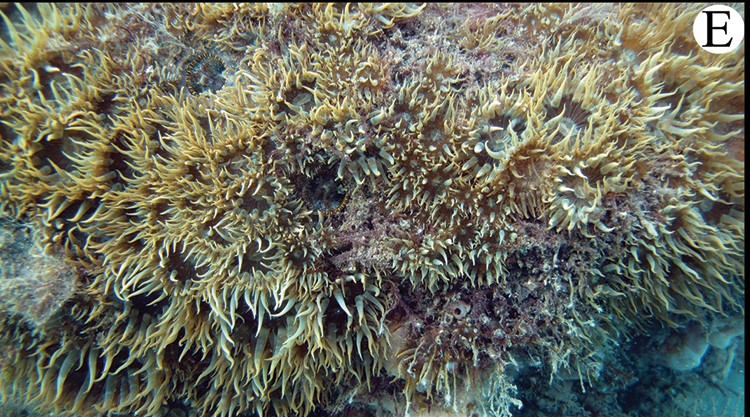
A single translucent tan or brown polyp on a thin stalk, with long wispy tentacles and a slightly frilled oral disc, usually 1–40 mm. It retracts instantly into the rock when you approach — that lightning retraction is the giveaway that separates it from a desirable anemone or a feather duster. Often first spotted on the glass, overflow, or shaded rock. Do not confuse it with Majano, which is squatter with bubble-tipped tentacles.
How to Get Rid of It
- Berghia nudibranchs — the permanent cure for a real infestation. They eat only Aiptasia, hunt it into holes you can’t reach, and breed while they work. Add several to a tank with the lights out; once the Aiptasia is gone they starve, so pass survivors to another reefer.
- Peppermint shrimp (Lysmata wurdemanni) — eat small-to-medium Aiptasia and are a good general clean-up crew. Buy true peppermints; look-alikes won’t touch it. Best for light-to-moderate outbreaks.
- Injection products (commercial Aiptasia-killers, or a kalkwasser/lemon-juice paste) — squirt into the mouth so the anemone eats it and dies from the inside. Great for spot control on a few visible ones; tedious for a plague, and missed bits regrow.
- Cover the rock — a stubborn spot on a movable rock can be super-glued or puttied over, sealing the anemone off.
Prevention
Dip and inspect every new coral frag, and quarantine live rock — Aiptasia almost always arrives as a hitchhiker. Keeping nutrients in check slows its spread (it thrives in nutrient-rich tanks), though it survives in clean tanks too. Scrape a snail’s shell before adding it; tiny Aiptasia ride in on shells.
What Doesn’t Work
Scraping or cutting them: the number-one way to spread Aiptasia — every fragment regrows. Boiling water/needles that miss the mouth: just annoy it. Adding one peppermint shrimp to a plague: under-dosed; you need several, and even then they can’t out-eat a heavy outbreak — that’s Berghia territory.