
| The Challenge | New or picky fish refusing food |
| Common With | Mandarins, anthias, angels, Moorish idols |
| First Step | Reduce stress; offer live food |
| Goal | Wean onto frozen/prepared foods |
| Golden Rule | A quarantine tank makes this far easier |
Overview
Some of the most beautiful reef fish are also the fussiest eaters, and a fish that won’t eat is a fish on a countdown. Getting a reluctant fish feeding is part patience, part trickery — reduce its stress, tempt it with irresistible foods, then gradually wean it onto the frozen and prepared foods it’ll live on long-term. Doing this in a quarantine tank, where you can see exactly who’s eating and there’s no competition, makes all the difference.
How to Tempt a Fish to Eat
- Lower stress first — dim lights, hiding spots, no aggressive tankmates. A frightened fish won’t eat no matter what you offer.
- Start with live food — live brine shrimp, live blackworms, or live copepods trigger a feeding response few fish can resist.
- Mix in frozen gradually — once it’s eating live, blend in frozen mysis or enriched brine, shifting the ratio toward frozen over days.
- Use scent and soak — garlic-soaked foods and foods soaked in the water live food came in can entice.
- Match the fish — mandarins need pods (a mature refugium or live pod dosing); anthias need multiple small feedings a day; some angels graze best on nori and prepared angel formulas.
Species Notes
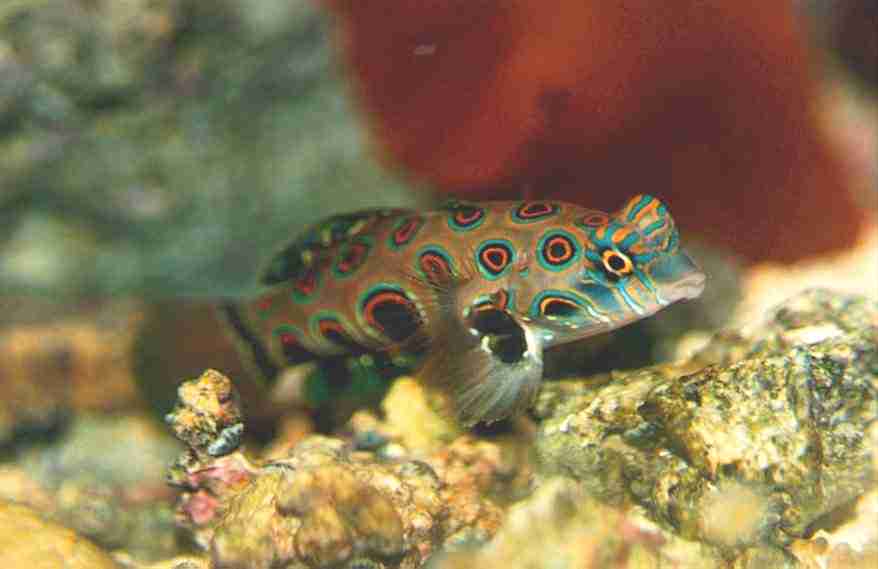
Mandarins hunt copepods all day — without a pod supply they slowly starve even while looking fine; add them only to mature tanks or train them onto frozen in QT. Anthias are plankton feeders needing several small meals daily. Moorish idols and obligate specialists are notoriously hard — be honest about whether you can meet their diet before buying.
Common Mistakes
Buying a known-difficult fish on impulse: the kindest first step is not bringing home a fish you can’t feed. Giving up after a day or two: many fish take several days to settle before eating — keep offering. Feeding into a stressful tank: competition and aggression suppress appetite — isolation often unlocks feeding.
Related Guides
Yellow Mandarin Goby · Moorish Idol · Ruby Anthias · Why You Need a Quarantine Tank
Frequently Asked Questions
How do I get a new fish to start eating?
Lower the stress first with dim lights, few tankmates and hiding spots, then offer live or frozen foods like brine, mysis or live blackworms. Smell triggers feeding, so soaking food in garlic or a feeding stimulant can help.
What if my fish still will not eat?
Try live foods such as live brine or copepods to trigger a feeding response, then wean onto frozen. Some finicky species like mandarins need a mature tank with natural pod populations.
How long can a fish go without eating?
A healthy fish can go a week or more, but a fish that arrived thin has little reserve. Ongoing refusal usually signals stress, disease or an unsuitable species, so address the cause rather than just offering more food.