
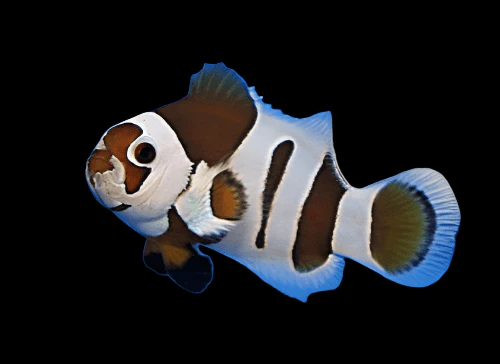
| What It Is | Brooklynella hostilis parasite |
| Looks Like | Sloughing skin, excess slime, gasping |
| Common In | Wild-caught clownfish especially |
| Danger | High — progresses quickly |
| Best Cure | Formalin bath in quarantine |
Overview
Brooklynella, nicknamed “clownfish disease,” is a parasite that hits clownfish hard — especially stressed, wild-caught ones fresh through the supply chain. It attacks the skin and gills, producing a hallmark peeling, slimy appearance, and it moves fast. Because clowns are so often the fish people don’t quarantine (“it’s just a clownfish”), Brooklynella catches a lot of hobbyists out.
Symptoms
A whitish, sloughing skin with heavy excess mucus (often described as the fish looking like it’s peeling or covered in slime), rapid breathing and gasping, faded color, loss of appetite, and lethargy. It typically starts around the head and gills. It progresses quickly — a clown that looks slimy and breathes hard needs action now.
How to Treat It
- Move to quarantine — as with other parasites, treat in a separate tank, never the display.
- Formalin baths are the classic effective treatment for Brooklynella; follow dosing carefully and aerate the bath well.
- Support the fish — clean water, strong aeration (gills are compromised), and low stress while it recovers.
- Treat promptly and completely — Brooklynella progresses fast, so don’t wait to see if it improves on its own.
Prevention
Quarantine new clownfish — especially wild-caught ones — and consider captive-bred clowns, which are hardier and far less likely to carry it. Good acclimation and low stress help a new clown’s slime coat defend itself.
Common Mistakes
Not quarantining clownfish: they’re the poster fish for “skipped QT” — and Brooklynella’s favorite host. Confusing it with ich: Brooklynella is slime and sloughing, not salt-grain spots, and needs formalin rather than just copper. Waiting: it kills quickly — treat at first signs.
Related Guides
Why You Need a Quarantine Tank · How to Acclimate New Fish
Frequently Asked Questions
What is Brooklynella?
A fast-moving protozoan skin parasite, often called clownfish disease because wild-caught clowns are especially prone to it. It causes excess slime, faded color and rapid breathing, and can kill within days.
How do I treat Brooklynella?
Formalin baths are the standard effective treatment, usually combined with a quarantine tank. Because it moves fast, treat at the first signs rather than waiting.
How do I prevent it?
Quarantine all new fish, especially clownfish, and buy captive-bred clowns where possible since they are far less likely to carry it.